Planning a Boston Trip: Neighborhoods, Transit, and Practical Tips for First-Time Visitors
By Toronto Free Press
Updated: October 21, 2026
Boston rewards a bit of upfront planning more than some larger American cities, mostly because its appeal is spread across a series of distinct, walkable neighborhoods rather than concentrated in one obvious downtown core. Deciding which neighborhoods matter most for a given trip, before booking a hotel, tends to make the difference between a trip that flows naturally and one spent constantly backtracking across town.
This guide pulls together the practical basics -- choosing a base, getting around, and knowing what to expect by season -- to tie together the neighborhood-specific guides covering the rest of the city.
Choosing a Neighborhood to Base Your Trip
History-focused visitors tend to do best based near Faneuil Hall and the North End or the downtown Financial District, both within easy walking distance of the Freedom Trail's core sites. Visitors prioritizing shopping and classic Boston streetscapes often prefer Back Bay, while sports fans and museum-goers lean toward Fenway-Kenmore.
Those who want modern hotels with harbor views should look at the Seaport District, and anyone drawn to narrow, historic streets and a quieter residential feel should consider Beacon Hill instead. None of these choices is wrong; they simply trade off differently between history, shopping, nightlife, and views, and a stay of several days often ends up touching more than one of them regardless of which neighborhood a hotel sits in.
Getting Around: The T and Walking
Boston's subway and bus network, known locally as "the T," covers the city's core neighborhoods with four main subway lines -- Red, Green, Blue, and Orange -- plus the Silver Line bus rapid transit routes. Central Boston is compact enough that many visitors walk more than they ride, especially when moving between adjacent neighborhoods like Beacon Hill and Back Bay.
A reloadable transit card covers subway and bus fares across the system, and it's generally simpler to get one on arrival than to rely entirely on single-ride tickets for a multi-day stay. Combining walking for short hops with the T for longer crossings, such as a trip out to Cambridge or in from Logan Airport, covers most of what a typical visit needs, and both of those connections are covered in more detail in their own dedicated guides.
What to Expect by Season
Boston has a genuine four-season climate, and the shoulder seasons of late spring and early fall are generally considered the most comfortable for walking-heavy sightseeing, with mild temperatures and lower humidity than midsummer. Summer brings warm, sometimes humid weather and the heaviest tourist crowds, particularly around the Freedom Trail and the harbor.
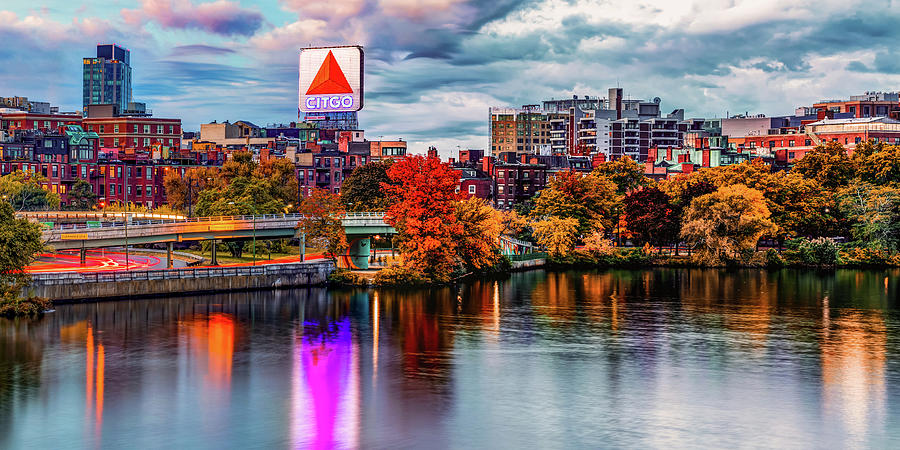
Winters are cold and can bring significant snow, which affects outdoor sightseeing more than indoor options like museums, and it's worth packing accordingly if a trip falls between December and March. Fall foliage, while more associated with areas further outside the city, still colors the Charles River Esplanade and the city's parks in a way that's worth timing a visit around if that's a priority.
Whatever the season, layering tends to serve visitors better than a single heavy or light outfit, since Boston's weather can shift noticeably between a sunny midday and a cooler evening, especially near the water in neighborhoods like the Seaport and the downtown waterfront.
A First-Timer's Checklist
Pick one or two neighborhoods as your base rather than trying to stay central to everything.
Get a reloadable transit card for the T on arrival.
Walk the Freedom Trail sites in the Financial District, Faneuil Hall, and the North End together.
Budget at least half a day for a Cambridge or Seaport side trip.
Check comfortable, flat footwear for Beacon Hill's cobblestones and brick sidewalks.
None of this needs to be followed rigidly, but having a loose framework before arriving tends to cut down on the time lost deciding what to do next once you're actually in the city.
Putting It All Together
Neighborhood
Best for
Back Bay
Shopping, architecture, central hotels
Beacon Hill
Historic walking, quiet streets
Fenway-Kenmore
Red Sox games, museums
Seaport/Waterfront
Modern hotels, harbor views
Faneuil Hall/North End
Colonial history, Italian dining
Downtown/Financial District
Business travel, central access
Cambridge
Day trip, Harvard and MIT
Most first-time visitors end up covering several of these neighborhoods over a multi-day stay rather than picking just one, which is part of why Boston's compact geography is such an asset: unlike larger, more spread-out cities, it's realistic to see a genuinely varied slice of the city without long travel times between stops.
Frequently Asked Questions
How many days do you need to see Boston?
Three to four days is generally enough to cover the main downtown neighborhoods, a Cambridge side trip, and a reasonable pace rather than a rushed one; a shorter stay can still work by focusing on one or two neighborhoods.
Is Boston walkable for visitors without a car?
Yes, central Boston's neighborhoods are compact and connected by a subway and bus network, making a car unnecessary and often impractical given limited downtown parking.
What is the best time of year to visit Boston?
Late spring and early fall tend to offer the most comfortable weather for walking-heavy sightseeing, while summer is warmer and busier and winter brings cold temperatures and potential snow.
Should I stay in one neighborhood or move around during my trip?
Basing yourself in one or two central neighborhoods and using the T or walking to reach the rest of the city generally works better than switching hotels partway through a short trip.