Cambridge Across the Charles: A Day Trip Guide from Boston
By Toronto Free Press
Updated: October 21, 2026
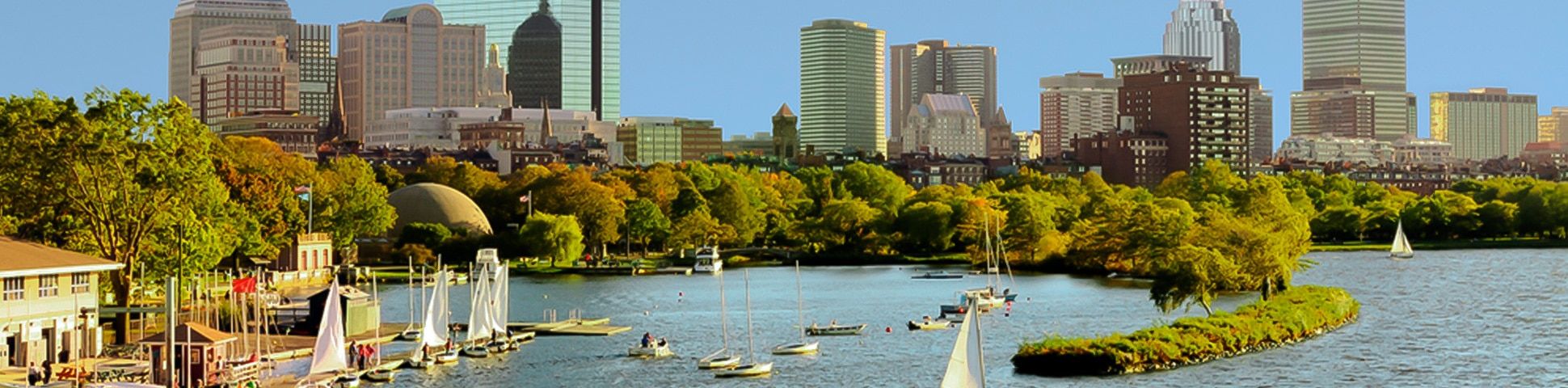
Cambridge sits directly across the Charles River from Boston, close enough that it functions less like a separate city and more like an extension of Boston's own neighborhood fabric, despite having its own city government, history, and identity. Two of the country's most well-known universities, Harvard and MIT, anchor opposite ends of the city, giving Cambridge a distinct academic character that sets it apart from Boston's neighborhoods on the other side of the river.
A day trip here pairs naturally with a Boston stay, since the subway crossing takes only a few minutes and several of Cambridge's main attractions sit within easy walking distance of the river itself.
Harvard Square and Harvard University
Harvard Square is Cambridge's best-known destination, a dense cluster of bookstores, cafes, and street performers built up around the edge of Harvard University's historic campus. Harvard Yard, the university's oldest quadrangle, is open for visitors to walk through, with guided campus tours available covering the university's history and architecture.
The square's bookstores are a notable draw in their own right, several of them independent and operating for decades, giving the area a browsing culture that holds up even for visitors with no particular interest in the university itself. Street musicians and informal performers are a near-constant presence in the square's open plazas, particularly on weekend afternoons.
MIT and Kendall Square
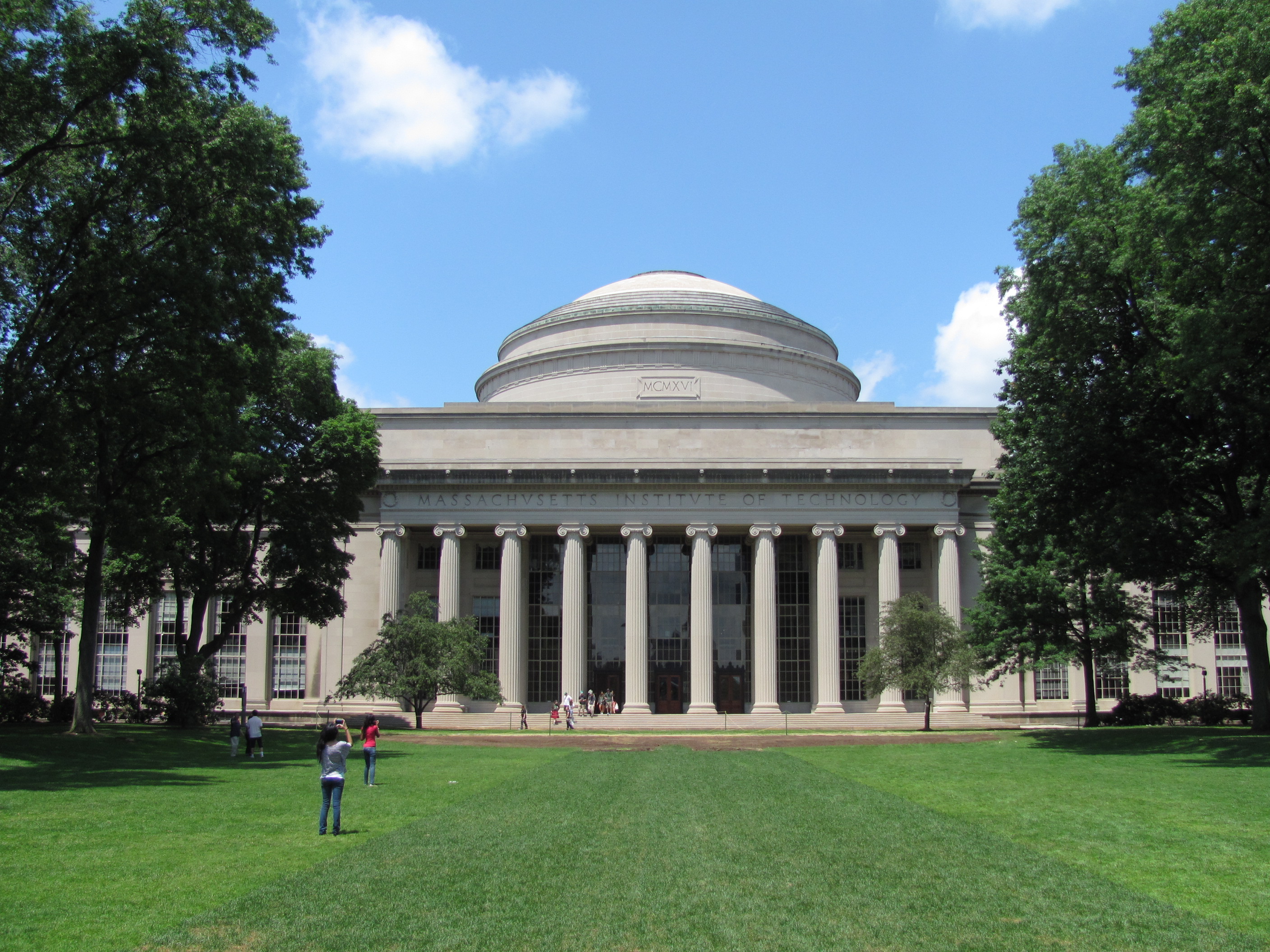
A short ride east of Harvard Square, Kendall Square has grown into one of the most concentrated biotechnology and technology research hubs in the country, built up around MIT's campus along the riverfront. The MIT Museum showcases the university's history of scientific and technological innovation through hands-on exhibits, offering a different kind of visit than the more traditional campus walk at Harvard.
MIT's campus itself is known for a long-running tradition of elaborate student pranks, called "hacks," and the main Infinite Corridor building displays rotating exhibits that sometimes reference this history. The contrast between Kendall Square's modern research towers and Harvard Square's older academic architecture is part of what makes visiting both sides of Cambridge worthwhile in a single day.
Crossing the Charles River
The Red Line subway connects Cambridge directly to downtown Boston, with stops at both Harvard Square and Kendall Square, making the crossing a simple, direct ride without transfers for visitors coming from most central Boston neighborhoods. Several bridges, including the Longfellow Bridge and the Boston University Bridge, also make a walk or bike ride across the river realistic in good weather.
The Charles River Esplanade, running along the Boston side of the river, offers one of the better vantage points for viewing Cambridge's skyline and is a pleasant starting point for anyone planning to walk across rather than take the subway, with a route that connects naturally toward Fenway-Kenmore and Back Bay on the Boston side.
Planning Your Time in Cambridge
Most day visitors split their time between Harvard Square in the morning and Kendall Square or the riverfront in the afternoon, since the two areas sit roughly fifteen to twenty minutes apart by subway or a longer walk along the river. Trying to cover both university campuses in full depth in a single day is ambitious; picking one as the primary focus and treating the other as a shorter stop tends to work better.
Cambridge's academic calendar also affects the atmosphere noticeably, with Harvard Square considerably livelier during the school year than during summer break, a detail worth factoring into expectations depending on when a visit falls.
Because the Red Line runs frequently throughout the day, it's realistic to treat Cambridge as a half-day addition to a longer Boston stay rather than requiring a full day set aside on its own, which leaves room for an evening back on the Boston side of the river. Checking each university's public tour schedule a day or two ahead also helps, since availability can be more limited during exam periods or university holidays.
Cafes, Bookstores, and Where to Eat
Cambridge's dining scene around Harvard Square leans toward cafes, bakeries, and casual restaurants that cater as much to students and faculty as to visitors, giving the area a different pace than the more tourist-oriented restaurants closer to Boston's downtown waterfront. Long hours and a steady stream of regulars are the norm here, a reflection of the square's role as an everyday neighborhood hub rather than a destination built primarily around tourism.
For visitors interested in how Cambridge's food scene compares with what's across the river, our broader guide to eating like a local in Boston covers the city's dining geography by neighborhood, and pairing a Cambridge day trip with an evening back in one of Boston's own neighborhoods is a common and practical way to close out the day.
Frequently Asked Questions
How do you get from Boston to Cambridge?
The Red Line subway connects directly to Harvard Square and Kendall Square, and several bridges across the Charles River also make walking or cycling a realistic option in good weather.
Can you visit both Harvard and MIT in one day?
Yes, though a full, in-depth visit to both is ambitious. Most visitors pick one campus as the main focus and treat the other as a shorter stop.
Is Harvard Yard open to the public?
Yes, visitors can walk through Harvard Yard, and guided campus tours covering the university's history are available on a scheduled basis.
What is Kendall Square known for?
It has developed into one of the country's leading biotechnology and technology research hubs, built up around MIT's riverfront campus, and includes the hands-on MIT Museum.