Boston's Seaport and Waterfront: Hotels, Harbor Views, and What's Nearby
By Toronto Free Press
Updated: October 21, 2026
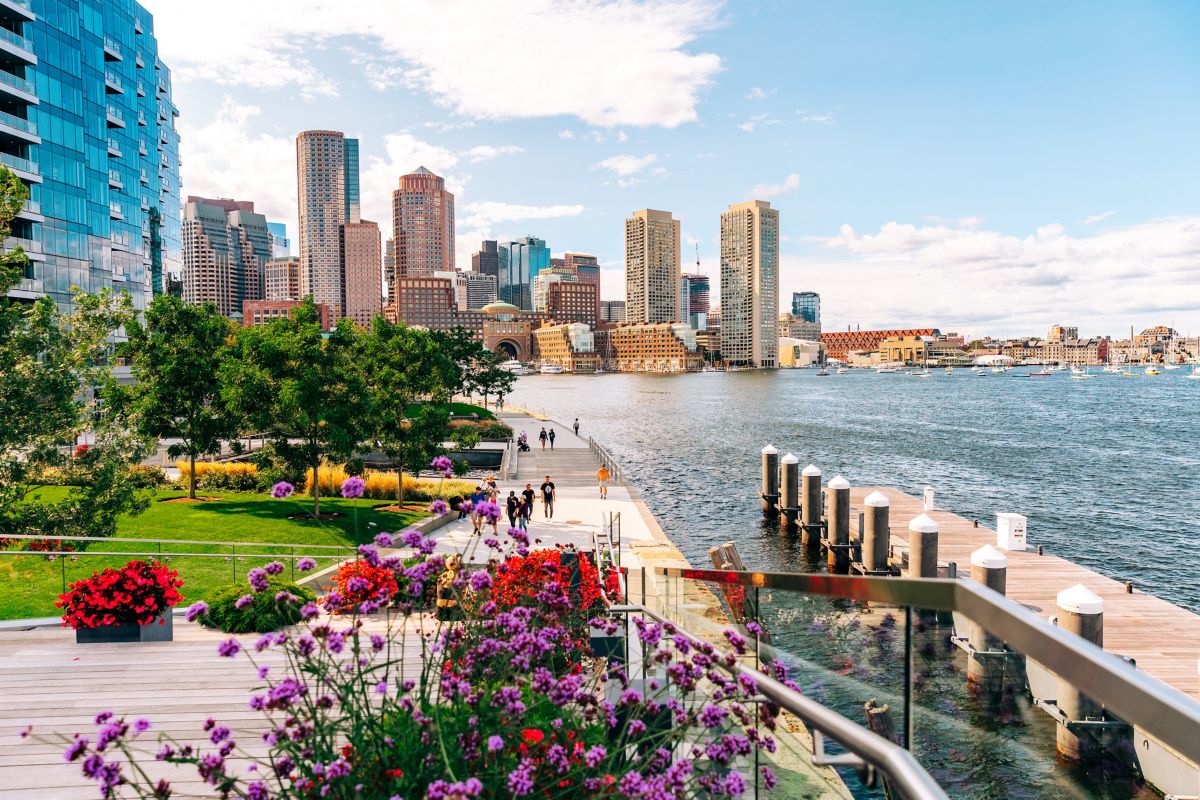
The Seaport District is the newest major neighborhood in central Boston, a former industrial waterfront that has been almost entirely rebuilt since the early 2000s into a stretch of glass-fronted hotels, restaurants, and office towers facing the harbor. It sits across the Fort Point Channel from the Financial District, connected by a handful of bridges that still carry some of the area's older, pre-redevelopment character.
Just north, the older downtown waterfront along Boston Harbor offers a different, more historic version of the same harbor-facing appeal, with Long Wharf and Rowes Wharf serving as departure points for the boats that connect the city to the water.
Hotels and Harbor Views in the Seaport District
Many of the Seaport's hotels were built specifically to take advantage of harbor views, with floor-to-ceiling windows facing the water a common feature of the newer properties here. The district's layout, built largely from scratch rather than retrofitted into older buildings, means wider sidewalks and more open plazas than visitors typically find elsewhere in Boston.
The Seaport's proximity to the Boston Convention and Exhibition Center also makes it a practical base for business travelers, with several hotels built to serve convention-goers as much as leisure visitors. For anyone prioritizing a water view over proximity to Boston's older historic sites, the Seaport is the neighborhood built for exactly that trade-off.
The Institute of Contemporary Art and Fan Pier
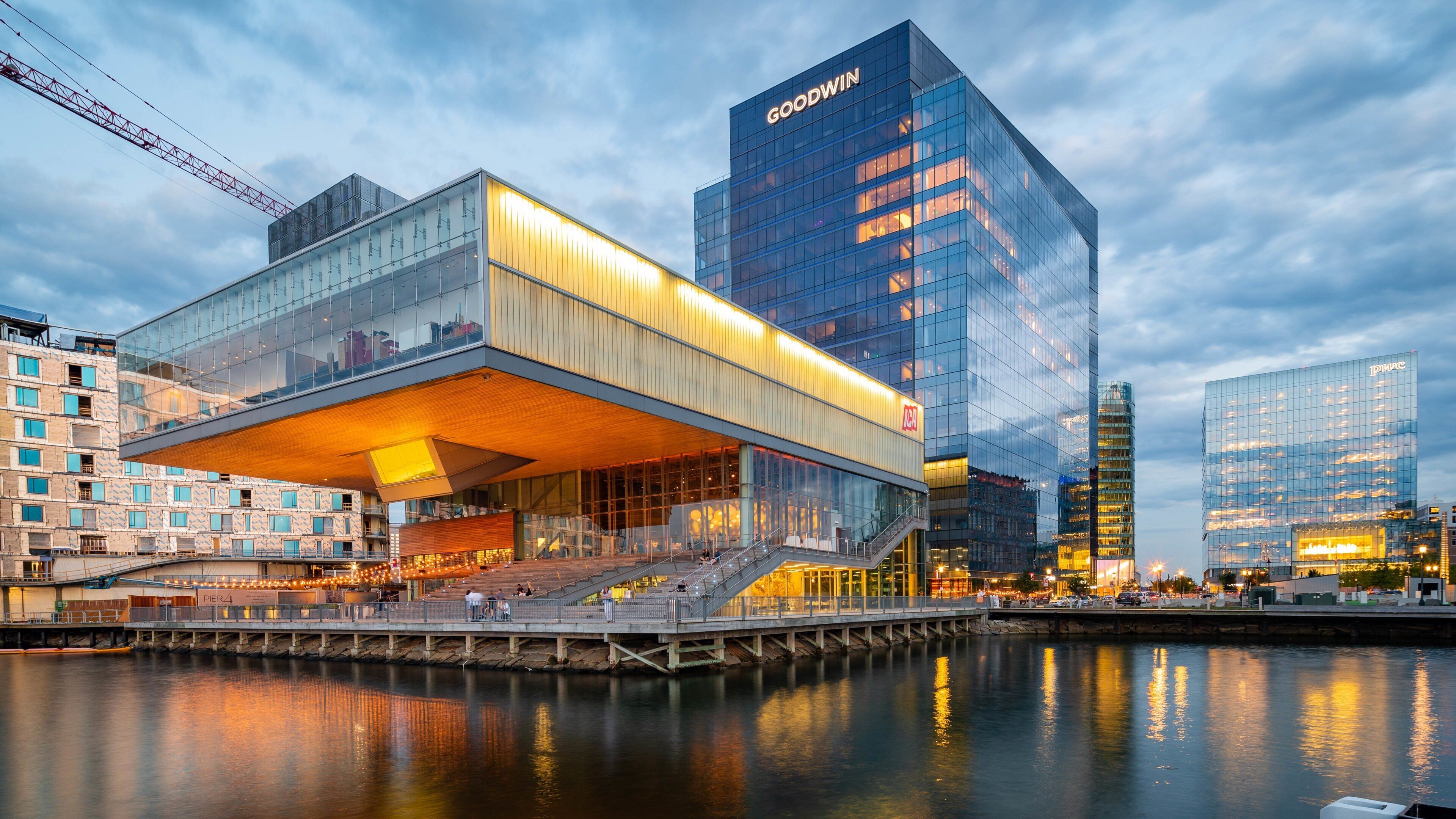
The Institute of Contemporary Art occupies a striking cantilevered building directly on the Seaport's waterfront, with a harbor-facing deck and galleries that focus on contemporary and emerging artists rather than the historical collections found at museums elsewhere in Boston. Its location, built out over the water, makes it as much a waterfront landmark as a museum destination.
Fan Pier, the stretch of waterfront park and plaza near the ICA, offers open green space and unobstructed harbor views that are relatively rare in a dense downtown area. It's a popular spot for an evening walk after dinner in the surrounding restaurant district.
Water Taxis and Harbor Cruises
Boston's working relationship with its harbor goes beyond scenery: water taxis and ferries connect the Seaport, the downtown waterfront, and Logan Airport, offering a way to cross the harbor that avoids both traffic and the subway. Seasonal harbor cruises depart from Long Wharf and Rowes Wharf, covering everything from historic harbor tours to trips out toward the Boston Harbor Islands.
For visitors staying in the Seaport, a water taxi to Logan Airport can be faster than a car during peak traffic, since it bypasses the harbor tunnels entirely. Checking current seasonal schedules is worthwhile, since water transit service typically scales back in the colder months.
Connecting to Downtown and the Rest of Boston
The Seaport is connected to downtown Boston by the Silver Line bus rapid transit route, which runs partly underground and partly on dedicated surface lanes, along with several bridges across the Fort Point Channel that make the walk to the Financial District realistic in good weather. The neighborhood's newer street grid can feel disconnected from the rest of the city at first, since it wasn't built to align with Boston's older, more irregular layout.
Visitors planning to split time between the Seaport's modern waterfront and the older historic core around Faneuil Hall should budget a bit more walking time than the map distance suggests, since the most direct routes cross active rail yards and highway ramps. A rideshare or the Silver Line smooths over that gap considerably faster than attempting the walk during an evening rush hour.
Evenings in the Seaport tend to run later than in the city's more residential neighborhoods, with restaurant and bar activity continuing well after the area's office towers empty out for the day, a pattern shaped by the district's mix of hotel guests, convention visitors, and young professionals living in its newer apartment buildings.
The Seaport's Industrial Past
Before the glass towers, the land under the Seaport District was a working industrial waterfront of wharves, rail yards, and warehouses tied to Boston's port trade, and a handful of reminders of that era still stand among the newer construction. The Fort Point neighborhood, at the district's inland edge, kept more of its original brick warehouse buildings than the waterfront blocks closer to the harbor, and several now house art studios and small galleries instead of shipping operations.
A short walk along the Fort Point Channel toward downtown passes a berthed replica of a colonial-era vessel at the Boston Tea Party Ships and Museum, a reminder that this stretch of harbor has been central to the city's identity since long before the district's modern redevelopment. Much as this publication's own tourism coverage once grouped hotels, harbor-facing attractions, and cruises into a single continental view of travel, the Seaport's working harbor and its newer hotels now sit side by side in a similar way.
Frequently Asked Questions
Is the Seaport District within walking distance of downtown Boston?
Yes, though the walk crosses the Fort Point Channel and can take longer than the straight-line distance suggests; the Silver Line bus is a faster alternative in less favorable weather.
Can you take a boat from the Seaport to Logan Airport?
Yes, seasonal water taxi service connects Boston's waterfront neighborhoods to Logan Airport, often faster than a car during peak traffic since it avoids the harbor tunnels.
What makes the Seaport different from Boston's older waterfront?
The Seaport was built almost entirely new since the early 2000s on former industrial land, giving it wider streets and modern architecture, while the older downtown waterfront around Long Wharf retains more historic character.
Is the Institute of Contemporary Art worth visiting for non-art visitors?
The building's harbor-facing deck and waterfront location make it worth a stop even for visitors mainly interested in the view rather than the contemporary art collections inside.