Fenway-Kenmore: Red Sox, Museums, and Where to Stay Near Fenway Park
By Toronto Free Press
Updated: October 21, 2026
Fenway-Kenmore is built around two very different draws that happen to sit a short walk apart: Fenway Park, the oldest ballpark still in use in Major League Baseball, and a cluster of major museums and gardens along the Fenway itself. The neighborhood takes its name from the Back Bay Fens, a winding park of marsh and waterway designed in the 1880s as part of a larger system meant to manage the Charles River's tidal flooding.
Visitors arrive for game days, for the art, or increasingly for both, since the neighborhood's dense mix of bars, restaurants, and mid-rise apartment buildings makes it easy to combine a ballgame with an afternoon elsewhere nearby.
Fenway Park and Game Day in Boston
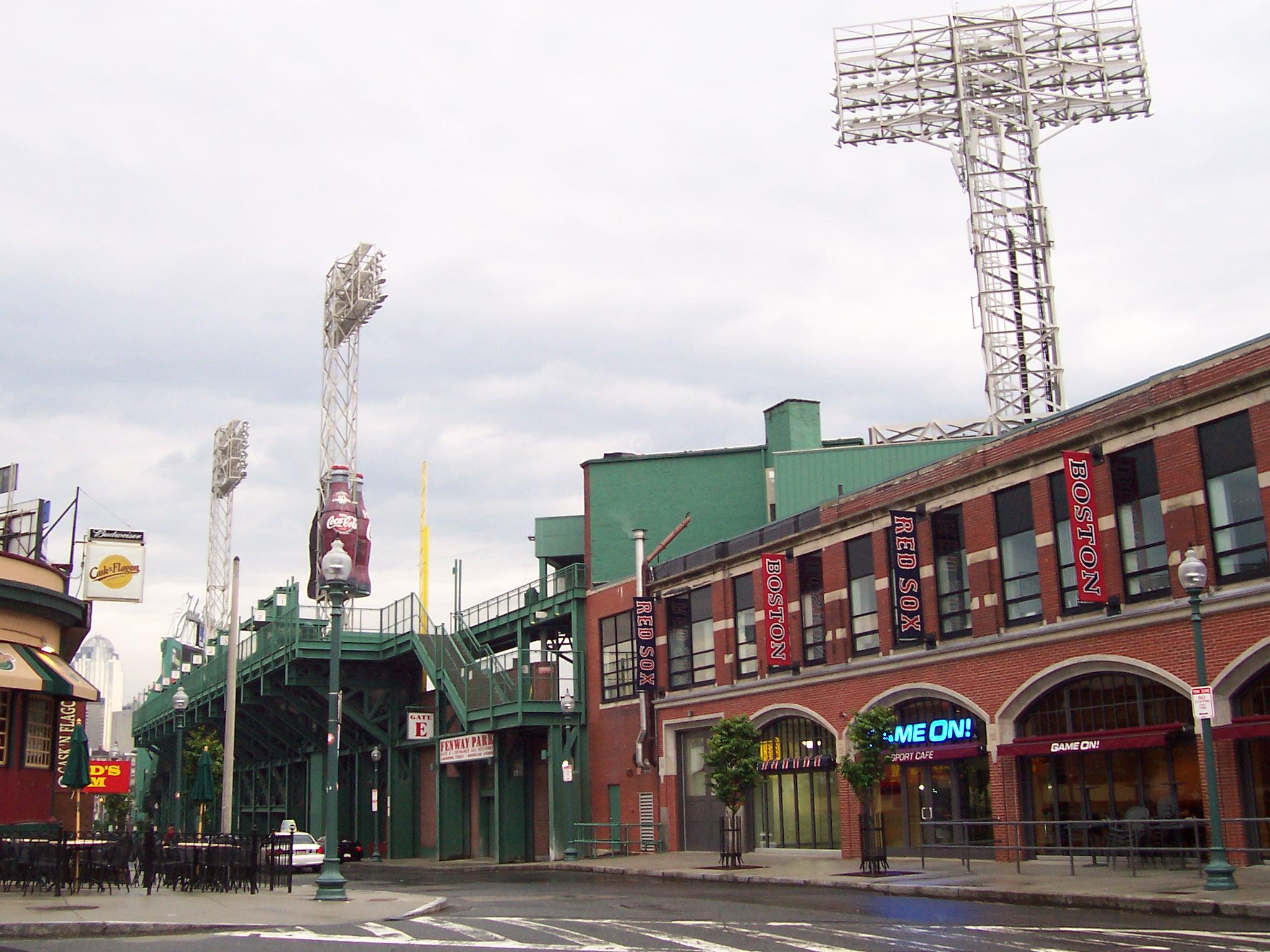
Fenway Park opened in 1912 and remains in its original location, a detail that shapes everything about the visitor experience: the park's quirks, including the famous left-field wall known as the Green Monster, exist because the stadium was built into an irregular city block rather than a purpose-cleared site. Ballpark tours run on non-game days and cover areas not normally open to ticketholders, including sections of the Green Monster seating.
Game days bring heavy foot traffic to the streets immediately around the park, particularly Lansdowne Street and Yawkey Way, which close to vehicle traffic and fill with fans well before first pitch. Public transit is the practical way to arrive on game days, since parking near the stadium is limited and expensive by comparison.
Museums Along the Fenway
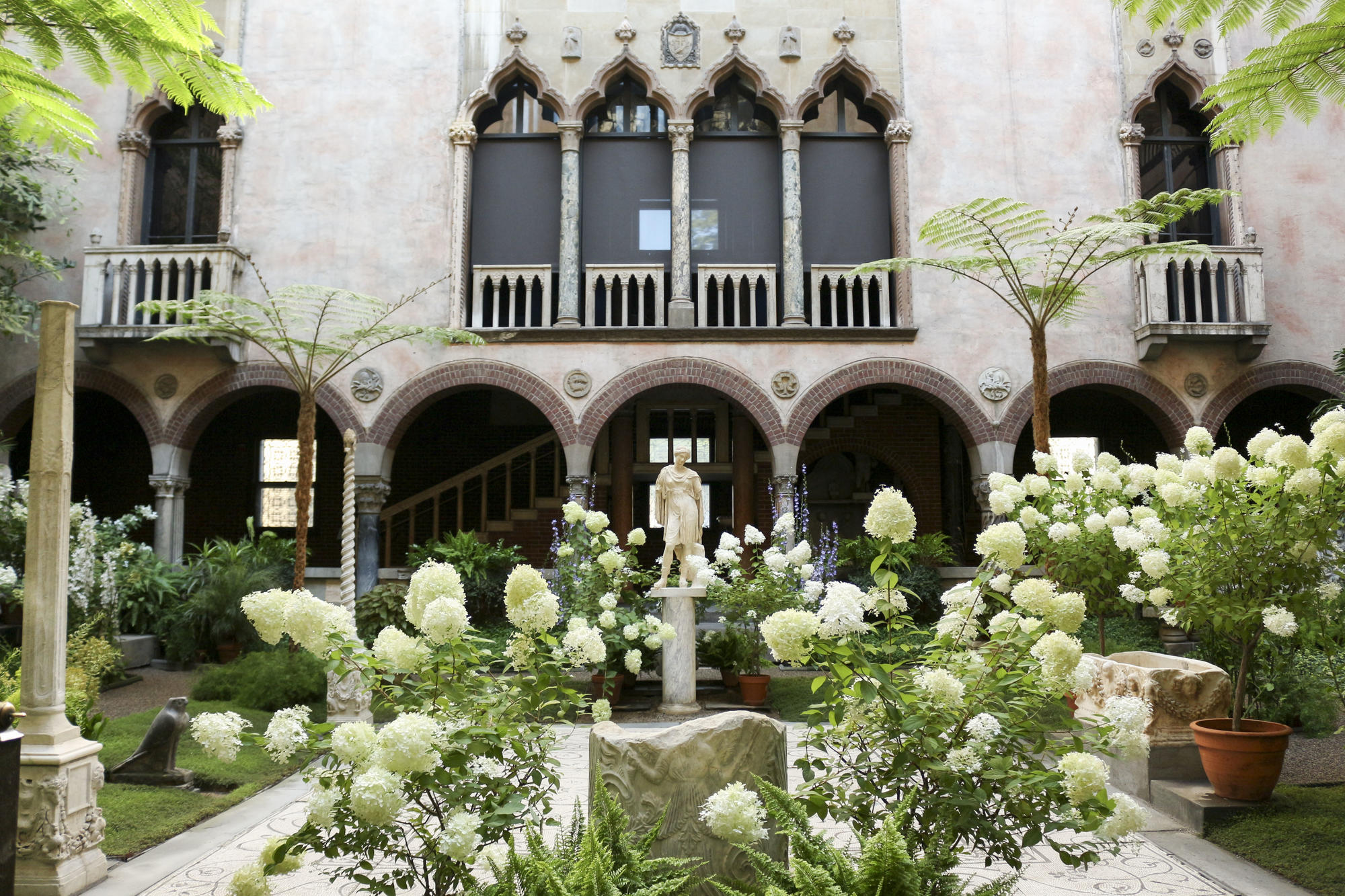
The Museum of Fine Arts, one of the largest art museums in the United States, sits a short walk from the ballpark along the Fenway itself, with encyclopedic collections spanning ancient Egyptian artifacts to contemporary art. Just down the street, the Isabella Stewart Gardner Museum occupies a Venetian-style palazzo built to house one collector's personal collection, displayed exactly as she arranged it before her death.
Both museums sit inside or along the edge of the Back Bay Fens parkland, which means a visit to either can be paired naturally with a walk through the park's paths and community gardens. The contrast between a ballgame crowd and a quiet museum gallery, separated by only a few blocks, is part of what makes this neighborhood distinct from the rest of Boston.
Kenmore Square and the Citgo Sign
Kenmore Square sits at the western edge of the neighborhood, marked by the large illuminated Citgo sign that has become an unofficial landmark for the Red Sox and for Boston more broadly, visible over the Green Monster from inside the ballpark itself. The square functions as a transit hub, with a major Green Line subway stop that connects toward both Back Bay and, across the river, Boston University's campus.
Restaurants and bars around Kenmore Square cater heavily to the nearby university population, giving the area a younger, more casual character on non-game days than the museum district just a few blocks away. The square is also a reasonable walking distance from the Cambridge side of the Charles River via the Boston University Bridge.
Where to Stay Near Fenway Park
Hotels in Fenway-Kenmore range from properties immediately adjacent to the ballpark, convenient for game-day visitors but busier and louder on event nights, to quieter options a few blocks further along the Fenway near the museums. Staying here puts visitors within walking distance of both the Green Line and a short ride from Back Bay's shopping streets.
Because game-day crowds and pricing both spike on nights when the Red Sox are playing at home, checking the team's schedule before booking is worth doing even for visitors with no interest in attending a game, simply to anticipate neighborhood noise and availability.
The Emerald Necklace and Boston's Park System
The Back Bay Fens, the winding park that gives this neighborhood its name, is one link in the Emerald Necklace, a chain of connected parks designed in the late 19th century by landscape architect Frederick Law Olmsted to run from Boston Common out to Franklin Park. The Fens itself combines marshland, community vegetable gardens, and formal rose gardens along a slow-moving stretch of the Muddy River, a quieter counterpoint to the ballpark crowds a few blocks away.
Because the Fens was originally engineered to manage flooding and tidal backflow from the Charles River, its winding paths follow the natural contours of the old marsh rather than a straight, planned route, which makes it a pleasant, if occasionally disorienting, place for an unhurried walk. Visitors looking to round out a day here with a meal can find a broader sense of how Boston's dining scene breaks down by neighborhood in our guide to eating like a local in Boston, and those mapping out a longer stay may find it useful alongside a fuller Boston trip-planning guide.
Frequently Asked Questions
Is Fenway Park the oldest ballpark in Major League Baseball?
Yes, it opened in 1912 and has remained in continuous use in its original location, making it the oldest active ballpark in Major League Baseball.
Can you visit the Museum of Fine Arts and Fenway Park in the same day?
Yes, the museum sits a short walk from the ballpark along the Fenway, so pairing a daytime museum visit with an evening game is a realistic plan for one day.
What is the Citgo sign in Kenmore Square?
It's a large illuminated sign visible over the Green Monster from inside Fenway Park, and it has become an informal landmark associated with both Kenmore Square and the Red Sox.
Is it better to stay near the ballpark or further along the Fenway?
Staying immediately near the ballpark suits game-day visitors who don't mind noise and crowds, while hotels further along the Fenway near the museums tend to be quieter.