Faneuil Hall and the North End: Boston's Historic Core for Visitors
By Toronto Free Press
Updated: October 21, 2026
Faneuil Hall and the North End sit next to each other at the heart of Boston's oldest street grid, and together they cover an unusually wide range of what the city has to offer in a compact walking area: Revolutionary-era history, a historic public market, and one of the most concentrated Italian dining districts in the United States.
Both neighborhoods sit along the Freedom Trail, the marked walking route connecting many of Boston's colonial and Revolutionary-era sites, which makes this area a natural starting point for visitors trying to cover history and food in the same outing.
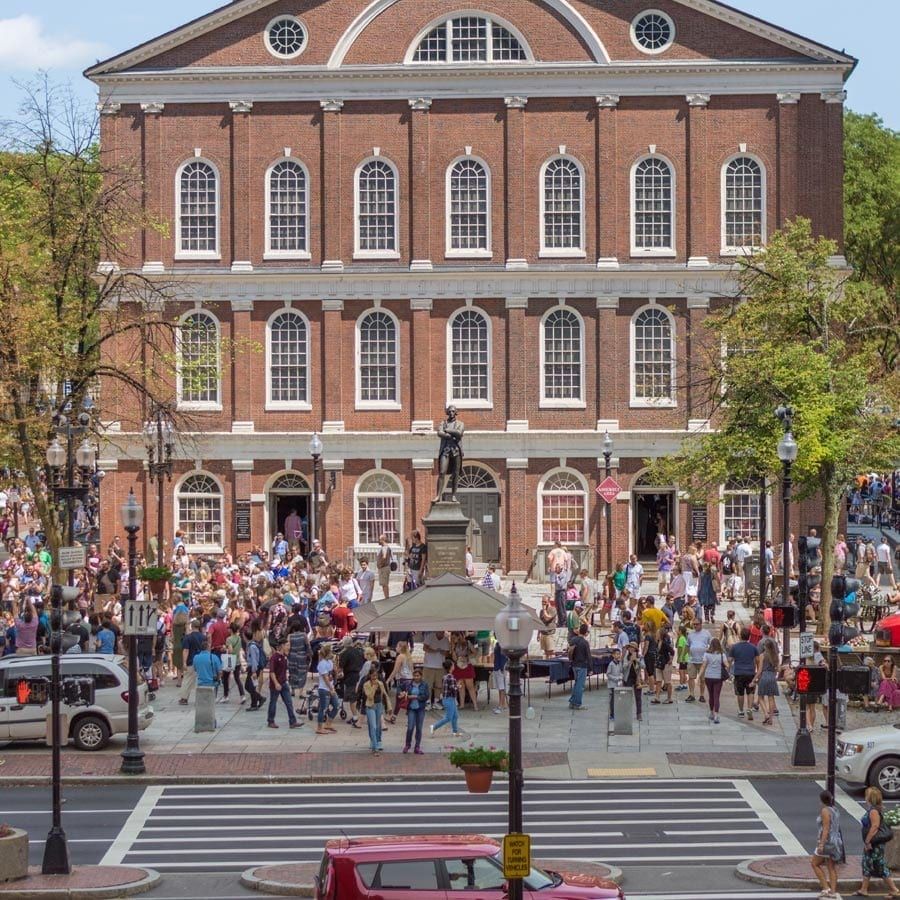
Faneuil Hall and Quincy Market
Faneuil Hall was built in 1742 as a gift to the city from merchant Peter Faneuil, combining a public meeting hall with a ground-floor market, and it earned the nickname "the Cradle of Liberty" for the Revolutionary-era town meetings held inside it. The building still functions as a public meeting space today, alongside its ground-floor shops.
Quincy Market, the long granite building just behind Faneuil Hall, was added in 1826 to expand the area's market function and now houses a mix of food stalls, shops, and restaurants under its central rotunda and two long flanking colonnades. Street performers are a regular fixture in the cobblestone square between the two buildings, particularly in warmer months.
The North End's Colonial History
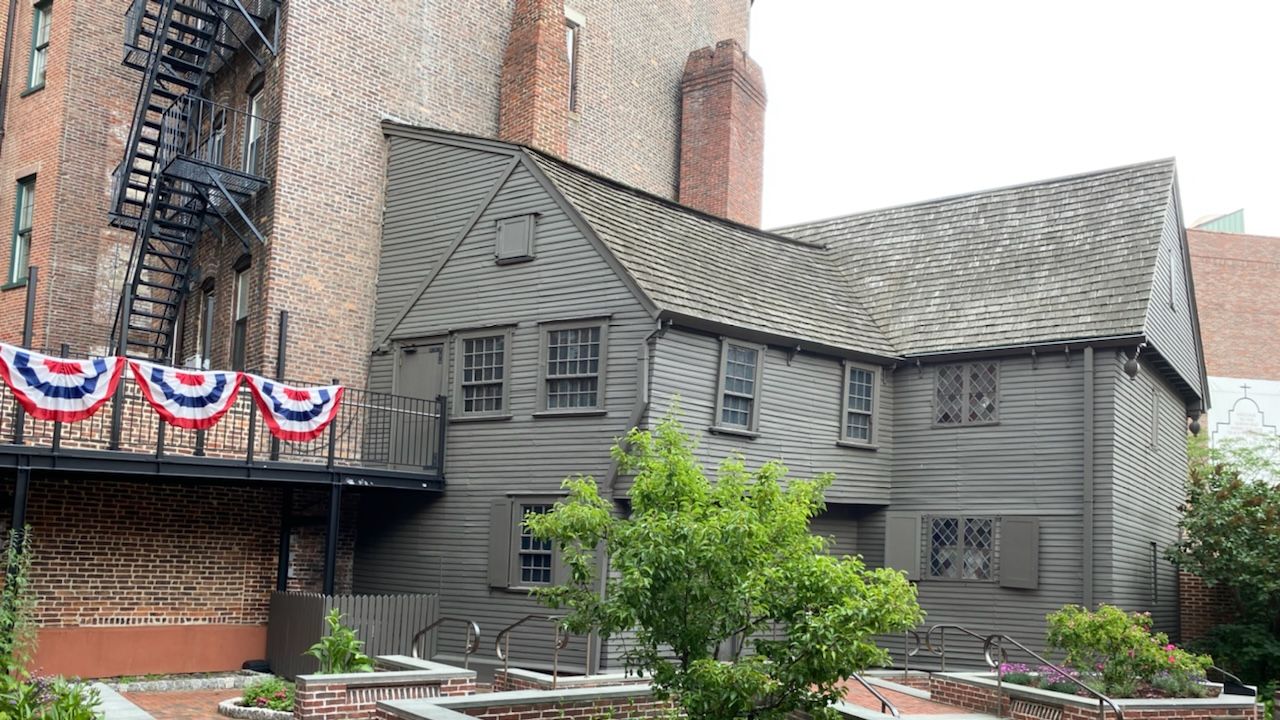
The North End is Boston's oldest residential neighborhood, its narrow colonial-era street pattern still intact beneath the Italian restaurants and bakeries that define the area today. The Paul Revere House, a modest wood-frame building dating to around 1680, sits on a small square in the neighborhood and is the oldest building still standing in downtown Boston.
A short walk away, the Old North Church is where, according to the long-standing account tied to Paul Revere's ride, two lanterns were hung to signal the route of approaching British troops in 1775. Both sites connect directly to the Freedom Trail and are typically visited as a pair given their proximity.
Italian Restaurants and Bakeries
The North End's reputation as Boston's Little Italy developed over more than a century of Italian immigration, and Hanover Street and the surrounding blocks remain densely packed with Italian restaurants, bakeries, and cafes. The neighborhood's narrow streets mean most dining rooms are small, and lines outside popular spots on weekend evenings are a normal part of the experience rather than a sign something has gone wrong.
Applying the same close attention to a dining scene that this publication has long brought to Toronto's own restaurant reviews, including its coverage of Toronto's Italian and Mediterranean restaurants, the North End rewards wandering past the first few storefronts rather than settling for the busiest one. A broader look at how Boston's food scene compares across neighborhoods is covered in our guide to eating like a local in Boston.
Getting Around and Where to Stay
Faneuil Hall and the North End sit within easy walking distance of the downtown waterfront and the Seaport District across the harbor channel, and several subway lines converge nearby at Government Center and Haymarket stations. Because the North End's streets are narrow and largely residential above the ground-floor businesses, hotel options directly inside the neighborhood are limited compared to nearby downtown.
Most visitors base themselves in the adjacent Financial District or waterfront hotels and walk the short distance into the North End for meals, which also makes it easy to combine an evening here with other downtown sites on the same trip.
Following the Freedom Trail Through This Area
A red brick line embedded in the sidewalk marks the Freedom Trail's route through downtown Boston, and it runs directly through this part of the city, linking Faneuil Hall to the Old State House in one direction and into the North End toward the Paul Revere House and Old North Church in the other. Following the line removes most of the guesswork about where the historic sites actually are, since the trail was designed specifically to connect them on foot.
Street performers, horse-drawn carriage rides, and costumed historical guides are common sights along this stretch, particularly around the cobblestone square between Faneuil Hall and Quincy Market, giving the area a livelier, more performative atmosphere than the quieter residential blocks of the North End just a few minutes' walk away.
Guided walking tours of the Freedom Trail depart regularly from this area, though the self-guided version works just as well for visitors who would rather read the informational plaques at their own pace than follow a set script and schedule.
Frequently Asked Questions
What is Faneuil Hall known for historically?
It was built in 1742 and hosted Revolutionary-era town meetings, earning it the nickname "the Cradle of Liberty," and it remains a public meeting space alongside its market function today.
Is the North End the same as Little Italy in Boston?
Yes, the North End has been known informally as Boston's Little Italy for more than a century, reflecting the Italian immigrant community that shaped the neighborhood's restaurants and bakeries.
Can you see the Paul Revere House and Old North Church in one visit?
Yes, both sites sit close together within the North End and are commonly visited as a pair, connected by the Freedom Trail's marked route.
Where should I stay to visit Faneuil Hall and the North End?
Most visitors stay in the adjacent Financial District or downtown waterfront hotels, since the North End itself has limited lodging and is an easy walk from either area.